
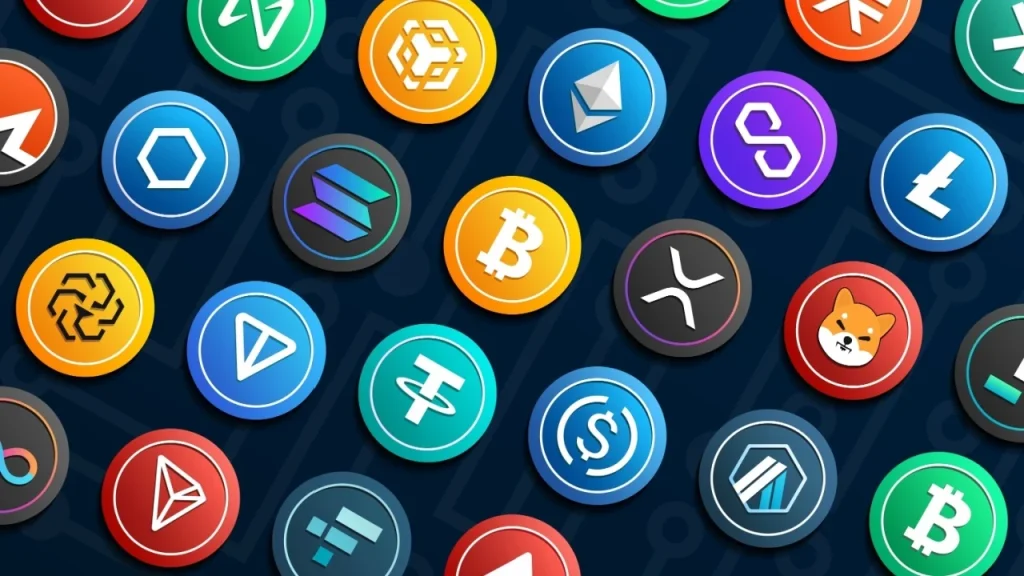
While Bitcoin was the first cryptocurrency, the market has since expanded to include thousands of other digital currencies known as altcoins. The term “altcoin” stands for alternative coin, referring to any cryptocurrency other than Bitcoin. Altcoins were created to improve upon the limitations of Bitcoin or to serve specific purposes within the cryptocurrency ecosystem. Understanding altcoins is essential for anyone interested in cryptocurrency investment, blockchain technology, or decentralized finance (DeFi).
Altcoins vary widely in purpose, technology, and value. Some are designed for faster transactions, others for privacy, and some support complex applications like smart contracts and decentralized platforms. Popular examples include Ethereum, Litecoin, Ripple (XRP), Cardano (ADA), and Polkadot (DOT).
Table of Contents
Why Altcoins Exist
Altcoins were introduced to address certain challenges or limitations of Bitcoin, such as transaction speed, scalability, or energy consumption. For example, while Bitcoin transactions can take several minutes and require high energy consumption for mining, altcoins like Litecoin aim to provide faster and cheaper transactions.
Other altcoins focus on expanding blockchain functionality. Ethereum, for instance, introduced smart contracts, allowing decentralized applications (DApps) to be built on its platform. This innovation created the foundation for DeFi, NFTs, and other blockchain-based services.
Altcoins also offer diversification for investors. Since each altcoin operates differently and serves unique purposes, diversifying across multiple cryptocurrencies can potentially reduce risk and increase exposure to different blockchain innovations.
Popular Types of Altcoins
Altcoins can be broadly classified into several categories:
1. Forks of Bitcoin: These altcoins are based on the Bitcoin protocol but with modifications. Examples include Litecoin and Bitcoin Cash (BCH), which aim for faster transactions or larger block sizes.
2. Stablecoins: These cryptocurrencies are designed to maintain a stable value by being pegged to assets like the US Dollar. Examples include Tether (USDT) and USD Coin (USDC). Stablecoins are often used for trading, payments, and as a safe haven during market volatility.
3. Utility Tokens: These altcoins are used within specific platforms to access services or products. For example, Binance Coin (BNB) is used to pay for trading fees and participate in token sales on the Binance platform.
4. Privacy Coins: These altcoins focus on enhancing privacy and anonymity for users. Examples include Monero (XMR) and Zcash (ZEC), which obscure transaction details to protect user identities.
5. Governance and DeFi Tokens: Many altcoins are associated with decentralized finance and allow holders to participate in platform governance. Examples include Uniswap (UNI) and Aave (AAVE).
Advantages of Altcoins
Altcoins offer several benefits beyond what Bitcoin provides. They often introduce faster transaction speeds, lower fees, improved scalability, and specialized functionalities. Some altcoins provide opportunities for staking, earning rewards, or participating in governance decisions within a blockchain network.
Investing in altcoins also allows users to explore different blockchain technologies and innovations that Bitcoin may not support. Platforms like CoinMarketCap and Crypto.com Learn provide valuable information and market data for researching altcoins.
Risks and Considerations
Despite their advantages, altcoins come with risks. Many altcoins have lower liquidity compared to Bitcoin, which can lead to higher price volatility. Additionally, not all altcoins are backed by strong technology or a dedicated development team, which increases the risk of project failure.
Regulatory uncertainty is another concern. Some altcoins may face restrictions or bans in certain countries, affecting their adoption and value. Investors should thoroughly research each altcoin, understand its purpose, technology, and market behavior before investing.
How to Get Started with Altcoins
To start using or investing in altcoins, one must first set up a secure crypto wallet compatible with the chosen altcoins. Exchanges like Binance, Coinbase, and Kraken allow users to buy, sell, and trade a wide variety of altcoins. Beginners should start with small amounts, focus on reliable and well-known altcoins, and stay informed about market trends and project developments.
Education is crucial when dealing with altcoins. Learning about blockchain technology, market fundamentals, and security best practices can help users make informed decisions and minimize risks.
Conclusion
Altcoins play a vital role in the cryptocurrency ecosystem by expanding the use cases and functionalities of blockchain technology. From fast transactions and privacy to smart contracts and decentralized finance, altcoins provide diverse opportunities for users and investors.
Understanding the different types of altcoins, their advantages, and associated risks is essential for anyone looking to participate in the world of cryptocurrencies
Altcoins are not just alternatives to Bitcoin, they are innovative tools that drive blockchain adoption, enhance decentralized applications, and shape the future of digital finance.
Also Check Crypto Wallets – Hot Wallet vs Cold Wallet – Powerful Guide 2026

1 thought on “What are Altcoins – Comprehensive Guide – 2026”