
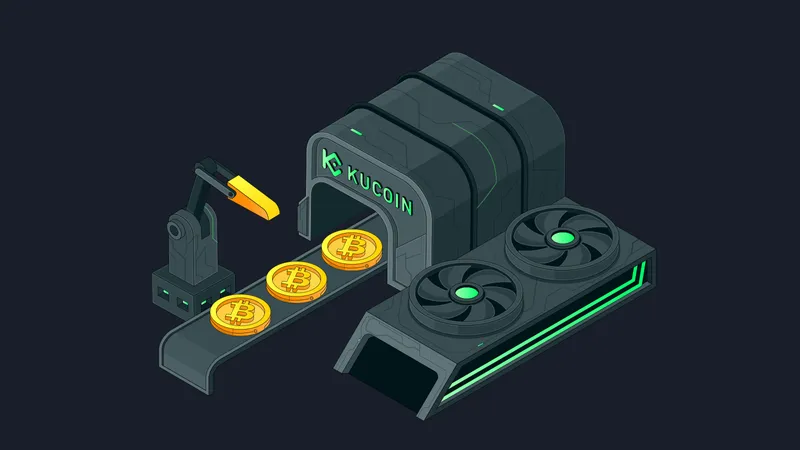
Crypto mining has evolved significantly over the years. What started as a simple process using basic computers has now become a more advanced and competitive industry. However, beginners can still enter the mining space with the right knowledge, tools, and strategy.
If you are planning to start crypto mining in 2026, it is important to understand the setup process, costs, and potential risks. This guide will walk you through everything step by step so you can get started properly.
Platforms like CoinMarketCap and Investopedia provide useful insights into current crypto trends, helping beginners make informed decisions before entering mining.
Table of Contents
Step 1: Choose the Right Cryptocurrency
The first step in starting crypto mining is selecting which cryptocurrency you want to mine. Not all cryptocurrencies are suitable for beginners.
Bitcoin is the most popular option, but it requires expensive ASIC hardware and high electricity consumption. For beginners, it may be better to start with altcoins that are easier to mine.
Some cryptocurrencies are designed to be mined using GPUs, making them more accessible for new miners.
Before choosing a coin, check its mining difficulty, current price, and long term potential using platforms like CoinGecko.
Step 2: Select Mining Hardware
The next step is choosing the right hardware for mining.
ASIC miners are powerful machines designed specifically for mining cryptocurrencies like Bitcoin. They offer high performance but are expensive.
GPU mining is more flexible and allows users to mine different cryptocurrencies. Graphics cards are widely available and suitable for beginners.
CPU mining is mostly outdated and not profitable for most cryptocurrencies today.
Your hardware choice will directly impact your mining performance and profitability.
Step 3: Set Up a Crypto Wallet
Before you start mining, you need a crypto wallet to store your earnings.
A wallet allows you to receive, store, and manage your cryptocurrency securely. There are different types of wallets including hot wallets and cold wallets.
Hot wallets are connected to the internet and are easy to use, while cold wallets provide higher security by storing assets offline.
Make sure to keep your private keys safe, as losing them means losing access to your funds.
Step 4: Install Mining Software
Mining software connects your hardware to the blockchain network and allows you to start mining.
There are different mining software options available depending on the cryptocurrency you choose. Some popular mining software supports multiple coins and provides user friendly interfaces.
The software handles the process of solving cryptographic puzzles and submitting results to the network.
Beginners should choose reliable and well reviewed mining software to avoid security risks.
Step 5: Join a Mining Pool
Mining alone can be difficult, especially for beginners. This is why many miners join mining pools. A mining pool is a group of miners who combine their computing power to increase their chances of earning rewards.
When the pool successfully mines a block, the reward is distributed among all participants based on their contribution. Mining pools provide more consistent earnings compared to solo mining.
Step 6: Start Mining
Once everything is set up, you can start the mining process.
Turn on your hardware, run the mining software, and connect to your chosen mining pool. Your system will begin solving mathematical problems and contributing to the blockchain network.
You can monitor your performance through dashboards provided by mining software or pool platforms. Make sure your system is running efficiently and not overheating.
Step 7: Monitor Profitability
After starting mining, it is important to regularly monitor your profits.
Factors such as electricity costs, hardware performance, and cryptocurrency prices can affect your earnings. If your costs are higher than your rewards, mining may not be profitable.
Use tools and platforms like CoinMarketCap to track market prices and adjust your strategy accordingly.
Important Tips for Beginners
- Always calculate your electricity costs before starting mining. High energy costs can reduce or eliminate profits.
- Ensure proper cooling and ventilation for your hardware to avoid overheating and damage.
- Start with a small investment and gradually scale up as you gain experience.
- Stay updated with crypto news and trends to make better decisions.
- Avoid scams by using trusted mining software and platforms.
Challenges in Crypto Mining
- Mining is not without challenges. High competition makes it difficult to earn rewards, especially for beginners.
- Initial setup costs can be high, particularly if you choose ASIC hardware.
- Energy consumption is another major issue that affects both cost and environmental impact.
- Regulatory changes in some countries may also impact mining activities.
- Understanding these challenges helps you plan better and reduce risks.
Future of Crypto Mining
The future of mining is changing as more networks shift towards energy efficient consensus mechanisms like Proof of Stake.
However, mining is still expected to remain relevant, especially for major cryptocurrencies like Bitcoin. New technologies and renewable energy solutions may also make mining more sustainable in the coming years.
Conclusion
Starting crypto mining in 2026 requires careful planning, the right hardware, and a clear understanding of the process. By following the correct steps, beginners can enter the mining space and potentially earn cryptocurrency.
From choosing the right coin to setting up hardware and joining a mining pool, each step plays an important role in your success.
While mining has its challenges, it also offers opportunities for those who are willing to learn and adapt. With proper strategy and consistent monitoring, crypto mining can become a valuable part of your digital investment journey.
Also Check What is Crypto Mining – Comprehensive Guide – 2026

1 thought on “How to Start Crypto Mining – Comprehensive Guide – 2026”