
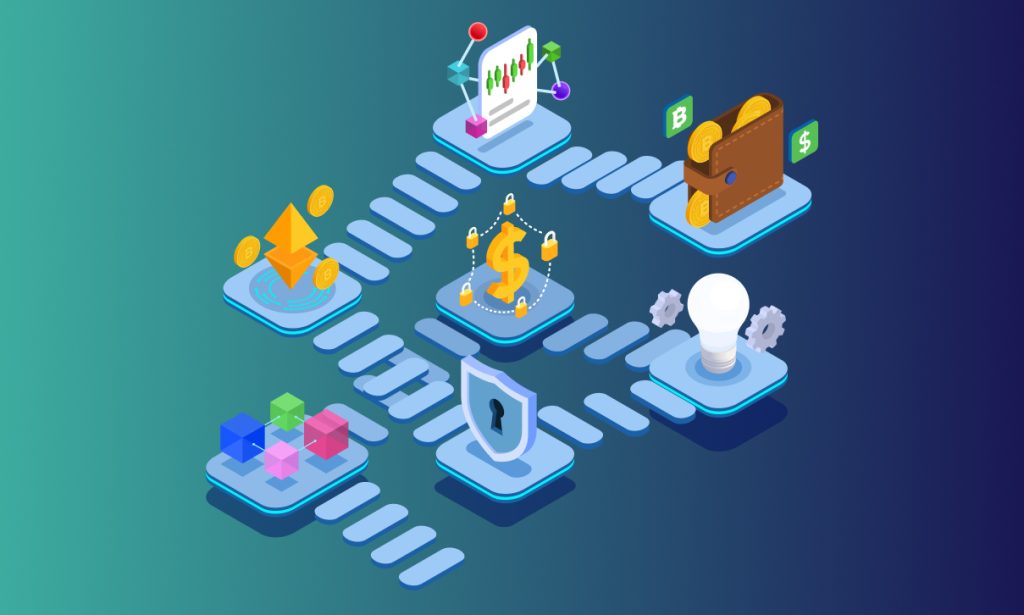
Blockchain technology is often associated with cryptocurrencies such as Bitcoin and Ethereum. While cryptocurrencies were the first major application of blockchain, the technology itself has a much broader range of uses. Today, organizations across multiple industries are exploring blockchain solutions to improve transparency, security, and efficiency in their systems.
Blockchain’s decentralized structure allows data to be stored securely across multiple nodes, reducing the risk of manipulation and fraud. This makes blockchain highly valuable for industries that require trustworthy data management and secure transactions.
Understanding these applications helps demonstrate why blockchain is considered one of the most transformative technologies of the modern digital era.
Table of Contents
Supply Chain Management
One of the most important real world applications of blockchain technology is in supply chain management. Traditional supply chains often involve multiple parties such as manufacturers, suppliers, distributors, and retailers. Tracking products across these systems can be complicated and sometimes unreliable.
Blockchain provides a transparent and immutable record of every transaction and movement within the supply chain. Each stage of product movement can be recorded on the blockchain, allowing businesses and consumers to verify the authenticity and origin of goods.
For example, companies can track food products from farms to supermarkets, ensuring quality and safety. Luxury brands can also use blockchain to verify that their products are authentic and not counterfeit.
This increased transparency helps build trust between businesses and consumers while improving operational efficiency.
Healthcare and Medical Records
Healthcare systems handle sensitive patient data that must be stored securely while still being accessible to authorized medical professionals. Traditional medical record systems often face challenges such as data fragmentation, security vulnerabilities, and limited interoperability.
Blockchain technology can help solve these issues by creating a secure and decentralized system for storing medical records. Patients could potentially control access to their own health data and grant permission to doctors, hospitals, or insurance companies when needed.
Because blockchain records cannot easily be altered, they also provide a reliable history of medical treatments and prescriptions.
This approach can improve data security while making healthcare systems more efficient and transparent.
Financial Services and Banking
Blockchain technology is already transforming the financial sector. Traditional financial transactions often involve intermediaries such as banks, payment processors, and clearing systems. These intermediaries can slow down transactions and increase costs.
Blockchain allows peer to peer transactions without requiring a central authority. This makes cross border payments faster and more affordable.
Many financial institutions are experimenting with blockchain to improve settlement systems, digital identity verification, and fraud prevention.
Cryptocurrency tracking platforms such as CoinMarketCap and CoinGecko also show how blockchain networks support thousands of financial assets and decentralized financial services.
Digital Identity Verification
Identity theft and data breaches are major concerns in the digital world. Traditional identity systems rely on centralized databases that can be vulnerable to hacking.
Blockchain offers a real world application by decentralized identity management system where users can securely control their personal information. Instead of storing identity data in a single database, blockchain distributes encrypted identity records across a network.
Users can verify their identity without revealing unnecessary personal information. This concept is known as self sovereign identity and is becoming increasingly important in the development of Web3 technologies.
Blockchain based identity systems could be used for online verification, financial services, government records, and secure digital access.
Voting Systems
Election integrity is an important issue in many countries. Traditional voting systems can face challenges such as fraud, lack of transparency, and manual counting errors.
Blockchain based voting systems have the potential to increase transparency and security in elections. Each vote could be recorded as a transaction on a blockchain, creating a tamper resistant record of the election process.
Because blockchain records are immutable, it becomes extremely difficult to alter or manipulate votes after they have been recorded. Although blockchain voting systems are still being tested in many regions, they represent a promising solution for improving trust in democratic processes.
Real Estate and Property Records
The real estate industry often relies on complex paperwork and lengthy verification processes for property ownership and transactions. These systems can sometimes be inefficient and vulnerable to fraud.
Blockchain provide real world application as it can simplify property transactions by storing ownership records on a secure digital ledger. This allows buyers, sellers, and authorities to verify property ownership instantly.
Smart contracts can also automate real estate transactions, reducing the need for intermediaries such as lawyers and brokers. By increasing transparency and reducing administrative costs, blockchain could significantly modernize property management systems.
Intellectual Property and Digital Ownership
Blockchain technology can also be used to protect intellectual property rights and digital ownership. Artists, musicians, and content creators often struggle with copyright protection and fair compensation.
Blockchain provides a way to record ownership of digital assets permanently. Creators can register their work on a blockchain, proving ownership and ensuring proper attribution.
This technology also supports emerging digital ownership systems such as non fungible tokens, which allow unique digital assets to be bought and sold securely.
As the digital economy grows, blockchain based ownership systems are expected to become increasingly important.
Conclusion
Although blockchain technology first gained global attention through cryptocurrencies, its potential extends far beyond digital currencies. Industries such as healthcare, finance, supply chain management, digital identity, and voting systems are actively exploring blockchain solutions.
By providing transparency, security, and decentralization, blockchain has the potential to transform traditional systems and improve trust in digital processes. As research and development continue, blockchain technology is likely to play a critical role in shaping the future of global digital infrastructure.
Also Check Public vs Private Blockchain – Powerful Guide – 2026

1 thought on “Real World Applications of Blockchain – Powerful Guide 2026”