
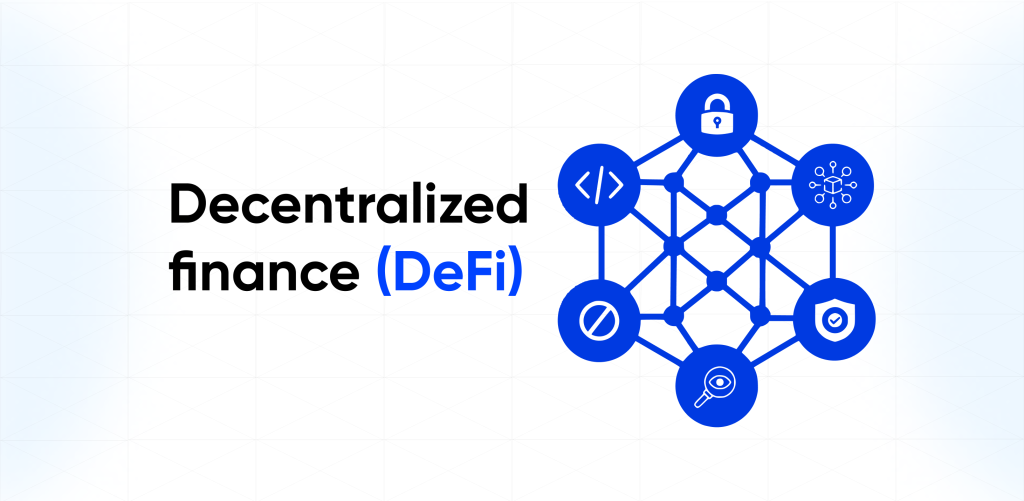
The traditional financial system relies heavily on banks, financial institutions, and intermediaries to manage transactions, loans, savings, and investments. While this system has worked for decades, it also comes with limitations such as high fees, slow processing times, and restricted access in many parts of the world. This is where Decentralized Finance, commonly known as DeFi, is changing the landscape of modern finance.
Decentralized Finance is a blockchain based financial system that allows users to access financial services without relying on traditional banks or centralized authorities. Instead of intermediaries, DeFi platforms use smart contracts and blockchain technology to execute financial transactions automatically and securely.
As the cryptocurrency ecosystem grows, DeFi has become one of the most important innovations in the blockchain industry. Educational platforms like CoinMarketCap and Investopedia provide detailed insights into how decentralized finance is transforming the global financial system.
Table of Contents
What is DeFi
Decentralized Finance refers to a collection of financial applications built on blockchain networks. These applications allow users to perform financial activities such as lending, borrowing, trading, and earning interest without depending on traditional financial institutions.
Most DeFi platforms operate on the Ethereum blockchain because it supports smart contracts that automate financial processes. Instead of relying on banks to approve transactions, smart contracts execute agreements automatically when predefined conditions are met.
For example, a DeFi lending platform can allow users to deposit cryptocurrency and earn interest while others borrow those funds by providing collateral. This entire process happens automatically through blockchain technology.
You can explore DeFi projects and token rankings through resources like CoinGecko, which tracks decentralized finance markets and crypto data.
How DeFi Works
DeFi platforms rely on several key technologies that make decentralized financial services possible.
The first component is blockchain technology. Blockchain acts as a distributed ledger that records all transactions in a transparent and secure manner. Since the data is stored across multiple nodes, it becomes extremely difficult for any single entity to manipulate the system.
The second component is smart contracts. Smart contracts are self executing programs stored on the blockchain. They automatically enforce the terms of agreements without requiring intermediaries.
Another important element is cryptocurrency wallets. Users interact with DeFi platforms using digital wallets such as MetaMask. These wallets allow users to connect to decentralized applications and manage their crypto assets securely.
More educational explanations about DeFi technology can be found on CoinDesk Learn, which provides beginner friendly guides on blockchain and crypto topics.
Popular DeFi Applications
Decentralized finance offers a wide range of financial services. One of the most common applications is decentralized exchanges. These platforms allow users to trade cryptocurrencies directly with each other without relying on centralized exchanges.
Platforms such as Uniswap have become popular because they allow users to swap tokens instantly through smart contracts. Liquidity providers can also earn rewards by supplying assets to trading pools.
Another major DeFi service is lending and borrowing. DeFi lending platforms allow users to earn interest on their crypto assets or borrow funds by providing collateral. Projects like Aave and Compound are well known in this sector.
Yield farming is another popular activity in DeFi. Investors move their assets between different platforms to maximize rewards and interest earnings.
These services create a financial ecosystem that operates without traditional intermediaries.
Benefits of DeFi
One of the biggest advantages of DeFi is financial accessibility. Traditional banking services are not available to billions of people around the world. DeFi allows anyone with an internet connection and a crypto wallet to access financial services.
Transparency is another important benefit. Since transactions are recorded on public blockchains, users can verify financial activities and ensure that systems operate fairly.
DeFi also removes intermediaries, which can significantly reduce transaction fees and processing times. Financial operations that normally take days through banks can often be completed within minutes using blockchain networks.
Because of these benefits, DeFi is often considered a key component of the future financial system.
Risks and Challenges of DeFi
Despite its advantages, DeFi also comes with certain risks. Smart contract vulnerabilities can sometimes lead to security issues if the code contains errors. Hackers may exploit these weaknesses to steal funds from poorly secured platforms.
Market volatility is another challenge. Cryptocurrency prices can change rapidly, which may affect the value of collateral used in DeFi lending platforms.
Regulatory uncertainty is also a concern. Governments around the world are still developing policies regarding decentralized finance and blockchain based financial services.
This is why experts recommend researching projects carefully before investing. Resources like Investopedia provide detailed explanations of DeFi risks and benefits.
The Future of DeFi
Decentralized finance is still in its early stages, but it is evolving rapidly. Many experts believe that DeFi could eventually transform the global financial system by making financial services more accessible and transparent.
New innovations such as cross chain DeFi, decentralized identity systems, and improved blockchain scalability are expected to expand the capabilities of DeFi platforms in the coming years.
Major blockchain networks are also working on improving transaction speeds and reducing fees, which could make DeFi applications more efficient and widely adopted.
Conclusion
Decentralized Finance represents a major shift in how financial services are delivered and accessed. By using blockchain technology and smart contracts, DeFi platforms allow users to borrow, lend, trade, and earn interest without relying on traditional banks.
While the technology offers many advantages such as accessibility, transparency, and reduced costs, it also comes with risks that investors must understand. Careful research and security awareness are essential when participating in DeFi markets.
As the blockchain industry continues to evolve, decentralized finance is expected to play a significant role in shaping the future of digital finance. Learning about DeFi today can help investors and technology enthusiasts stay ahead in the rapidly changing world of cryptocurrency.
Also Check What is Crypto Phishing and How to Stay Safe 2026

1 thought on “What is DeFi (Decentralized Finance) – Powerful Guide – 2026”